Imagination can be a shortcut leading to the truth
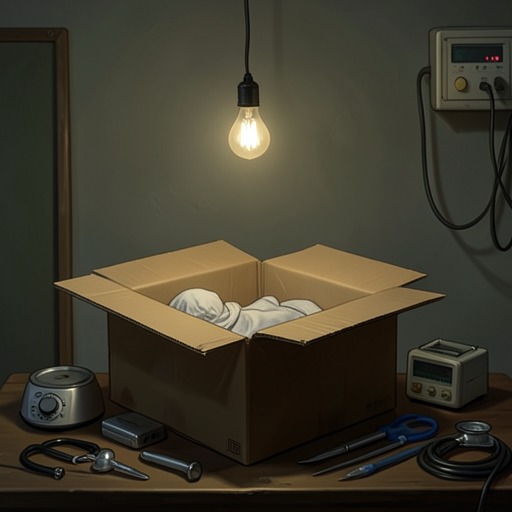
The Box ManImagination can be a shortcut leading to the truth is the narrator’s central distinction between imaginative invention and falsehood. He invokes it as he prepares to remove the box and disclose who wrote the notes and what their real objective has been, making the expression both a claim about how truth may be reached and a promise about the revelation to come.
The Distinction Between Imagination and Falsehood
The narrator concedes that the notes may contain products of imagination, but insists that they contain no falsehoods. In his account, falsehood deceives and sends its reader away from truth; imagination can instead shorten the route toward it. The difference is not whether a passage is invented, but whether it misdirects. This gives the expression its paradoxical force: imaginative material may be less literally factual yet, the narrator claims, more revealing.
A Promise of Disclosure
The claim arrives at a turning point in the notes. The narrator announces his intention to take off the box, show his face, and tell the reader who the real author is and what he has been trying to accomplish. He says that they have already come within a pace of the truth and that one final correction will make everything clear. The metaphor of a shortcut thus works alongside the promised correction: imagination has brought the account close, while a last adjustment is presented as the means of completing the approach.
A Claim the Reader Must Assess
The narrator does not present disclosure as an obligation. He says he need not confess and the reader need not believe him; what matters, he argues, is actual advantage or disadvantage, since deception offers no advantage. He also rejects the idea of treating the notes as a detective story with multiple possible solutions. In that context, the expression is more than a general defense of fiction: it is part of the narrator’s attempt to shape how the impending revelation should be judged. His confidence that imaginative writing has approached truth remains a claim made by the narrator, and the promised final correction is meant to test it.